
How do porta potties work?
The unit is a simple box: a 44 by 48 inch footprint, about 92 inches tall, with a holding tank sealed underneath the seat. There is no flush mechanism on a standard porta potty rental. Waste drops straight into the tank, where a blue chemical treatment breaks down solids and locks in odor between services. That treatment is the "portable toilet chemicals" people search for, and it is standard on every unit Kennewick Porta Pros sets out, whether it is on a construction lot off Highway 395 or at a backyard party. Service intervals follow ANSI/PSAI Z4.3, the industry baseline of one visit per week for up to 10 users across a 40 hour week. Heavier use means more frequent stops, which is why a porta potty rental cost quote always asks how many people and how many days. For a construction worker on a framing crew, the routine is quick: walk over, use it, wash up at a nearby handwashing station rental if the job calls for one, and get back to work. OSHA 1926.51(c) sets the ratio that makes sure that walk is never too long a wait, one toilet for every 20 workers on crews of 20 or fewer.
How do flushable porta potties work?
A deluxe flushable porta potty adds a small onboard freshwater tank and a foot pump or pedal flush that pushes a measured rinse into the holding tank after each use. It is not connected to city water. The freshwater reservoir gets refilled at each service, same as the holding tank gets pumped out. This is a step up from the standard unit and a step below a full restroom trailer rental, which runs multiple stalls off a larger built-in system with sinks and real flush toilets. Weddings and corporate events in Kennewick often go this route because guests notice the difference. A portable sink rental works on the same basic principle as the flush mechanism: a foot pump or hand crank draws water from a clean tank, pushes it out the spigot, and the wastewater drains into a separate gray water tank underneath. No hookup to a building, no hose to a hydrant. Under 29 CFR 1910.141(d)(2), any handwashing setup needs soap and towels or a hand dryer, not just sanitizer, so a proper portable sink or a hand sanitizer station rental paired with soap access matters more than it sounds like on paper.
How do camping porta potties work?
Camping and rural use is where the same tank-and-chemical system gets tested by distance. A unit dropped for a weekend at a campsite outside Kennewick works exactly like one on a job site, just serviced less often because usage is lighter. The chemical treatment matters more here since these units often sit longer between visits. Anyone renting for a weekend trip is usually looking at the same pricing logic as an event restroom rental or a festival restroom rental: a flat weekend rate rather than a daily one. For placement, ADA Standards 302.1 calls for a stable, firm, slip-resistant surface, which matters as much on gravel campground pads as it does on a paved lot. If the group includes anyone using a wheelchair, an ADA accessible porta potty needs a 60 inch turning circle inside per ADA 304.3.1, and the door has to clear at least 32 inches per ADA 404.2.3. Our porta potty placement guide covers ground conditions in more depth for anyone planning a remote setup.

Why do porta potties need chemicals?
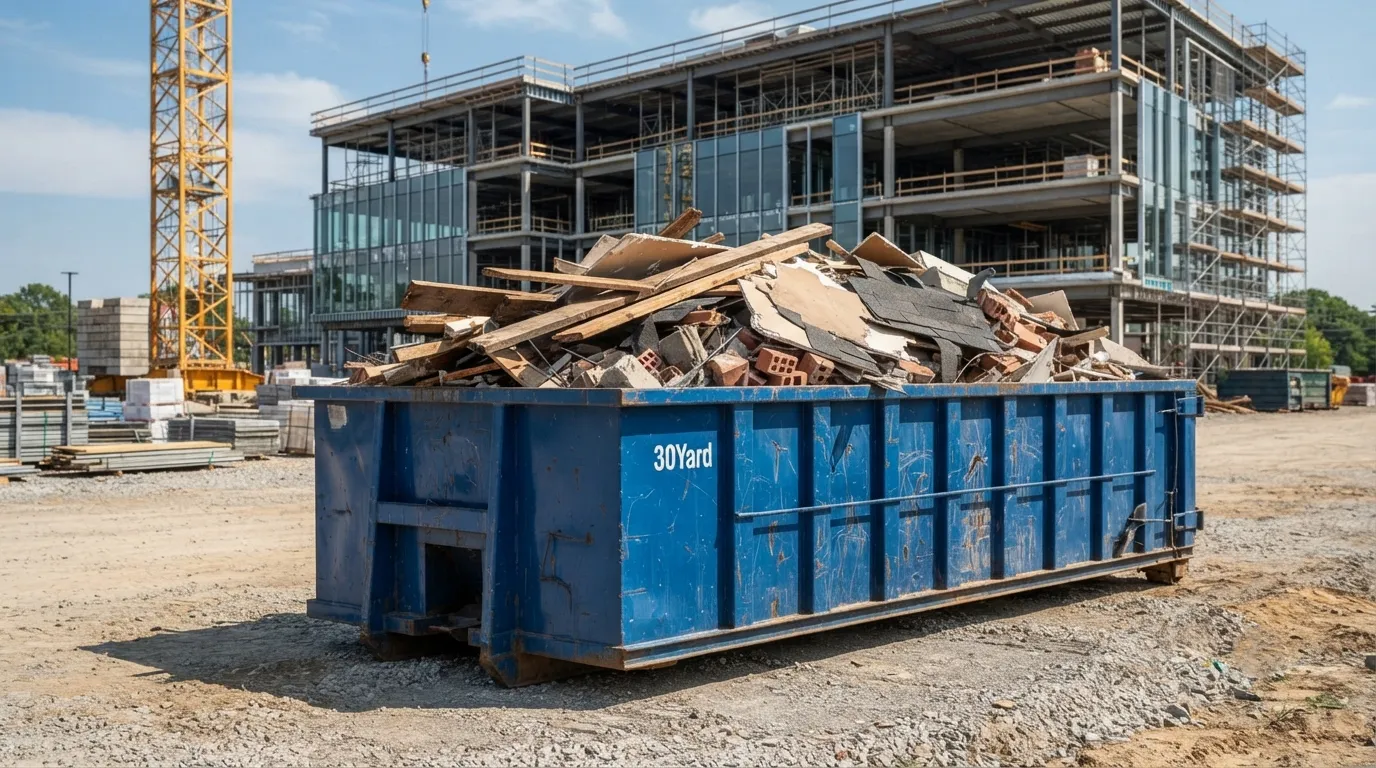
The chemical does three jobs: breaks down solid waste, suppresses odor, and keeps the liquid level visible enough for the service tech to judge when a pump-out is due. Without it, a sealed tank in July heat around Kennewick would be unusable within days. This is different from septic tank cleaning chemicals, which treat a buried in-ground tank rather than a portable holding tank, and different again from a grease interceptor, which gets pumped once fats, oils and grease reach 25 percent of the liquid depth. If your question is really about a fixed system rather than a rental unit, our septic pumping service and septic tank cleaning pages cover that separately, along with how often to pump a septic tank for a typical 1,000 to 1,500 gallon residential tank, usually every 3 to 5 years depending on household size. For job sites needing both toilets and a dumpster, check construction site services or a roll-off dumpster rental to bundle the delivery.
| unit | day | week | month |
|---|---|---|---|
| standard | $100-$350 | $130-$500 | $125-$325 |
| deluxe | $85-$1200 | $150-$290 | - |
| ada | $200-$400 | $240-$400 | - |
Do porta potties smell if serviced regularly?
Not if the chemical treatment is fresh and the tank hasn't hit capacity. A unit serviced weekly under the ANSI/PSAI Z4.3 baseline stays manageable. Heat and heavy use speed things up, which our do porta potties smell page walks through in more detail.
How many porta potties does a construction site need?
OSHA 1926.51(c) sets one toilet per 20 workers on crews of 20 or fewer, scaling up from there. Our OSHA portable toilet requirements guide breaks down the full ratio table, and how many porta potties do I need helps size a specific crew.
Can I place a porta potty in the public right of way in Kennewick?
That needs confirming with the city before delivery. Placement rules vary by lot and by street, so check with Kennewick before committing to a curbside spot. See porta potty permit requirements for what to ask.
Does a portable sink need a water hookup?
No. It runs on a self-contained freshwater tank with a foot pump or hand crank, draining to a separate gray water tank. See portable sink rental for tank sizes and rental terms.
How far will Kennewick Porta Pros deliver?
Delivery covers Kennewick and nearby communities, including Finley 7.6 miles east and Richland 11.4 miles northwest. Check service areas or request a quote for a specific address.
Next step
Get a delivery date
Tell us the address, the dates and the headcount. We size the order and confirm the route.