How fast can Kennewick Porta Pros respond to a disaster?
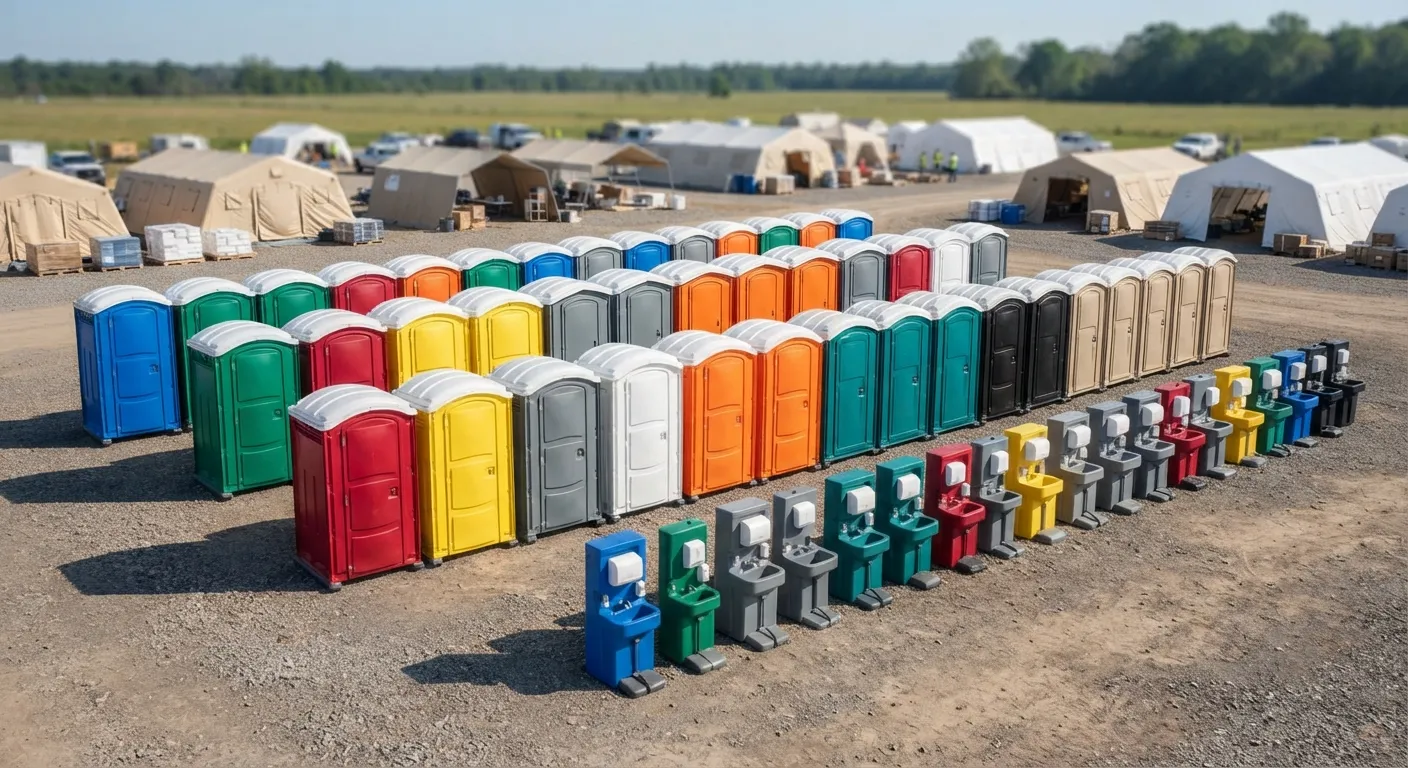
Response speed depends on how many units a shelter, command post or block of displaced households needs, but we treat disaster calls as priority dispatch, not standard scheduling. A single standard porta potty rental can often be on site within hours of a confirmed order, and larger deployments scale from there. For a Red Cross shelter, a church hall pressed into service, or a neighborhood cut off from working sewer lines, we pull from portable toilet rental stock first because it is the fastest unit to place and service.
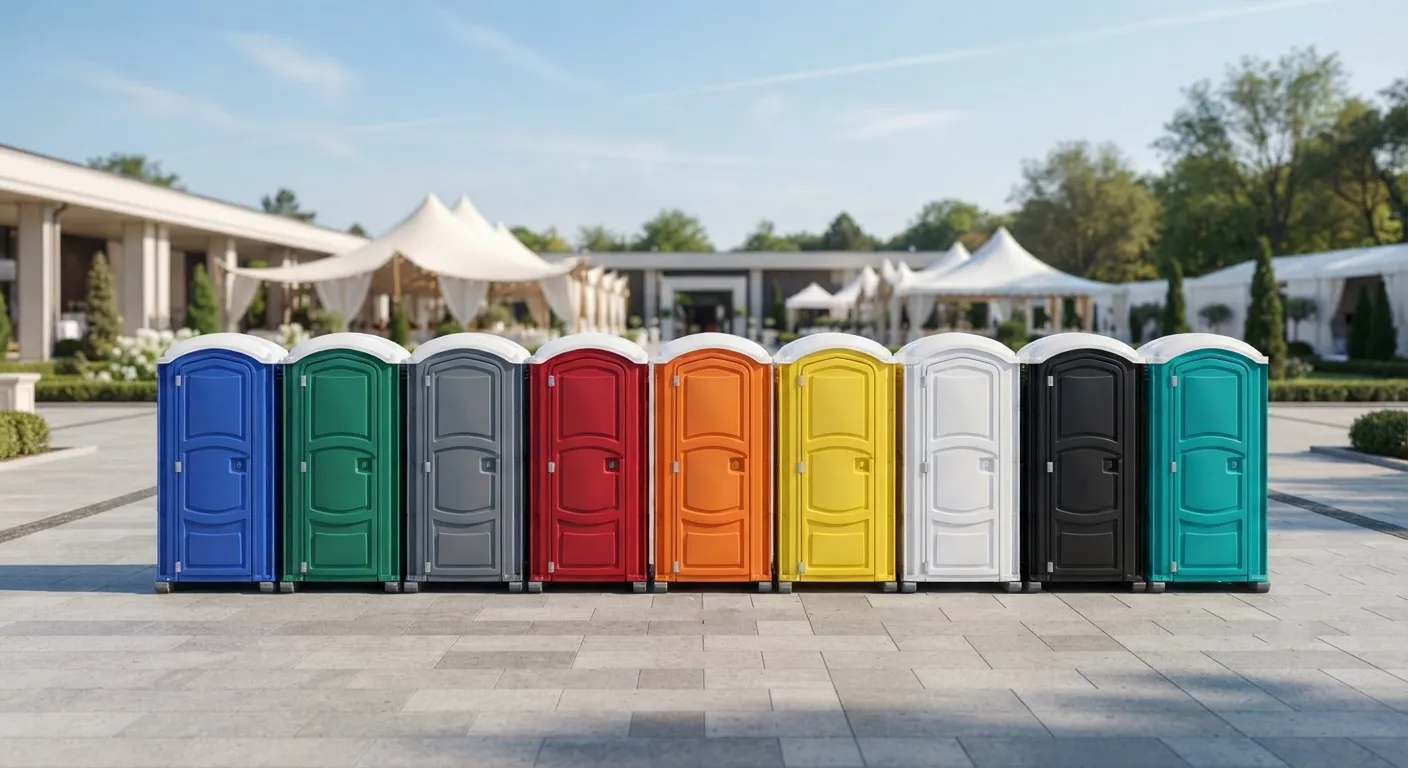
Water service interruptions change the math fast. If a boil-water notice or main break also knocks out handwashing, we pair toilets with a handwashing station rental or a portable sink rental, since OSHA 1926.51(a)(1) calls for an adequate supply of potable water at any place of employment, and that standard does not pause during an emergency. Shelters running on generator power sometimes need a temporary power pole too, and we coordinate that delivery on the same trip when possible. Crews from Richland, 11.4 miles northwest, and West Pasco, 8.5 miles north, often draw from the same disaster stock we hold for Kennewick, so overlapping emergencies do not leave either city short. Our porta potty rental fleet includes ADA units too, because a displaced population always includes people who need ADA accessible porta potty equipment, per ADA Standards 213.2, which requires at least one accessible unit in any cluster and 5 percent minimum once numbers grow.
What sanitation equipment do disaster shelters and relief sites actually need?
A relief site needs toilets, handwashing, and often somewhere to store donated goods or damaged belongings, all placed with vehicle access in mind. Toilet counts follow the same logic as any worksite: OSHA 1926.51(c)(1) calls for one toilet facility per 20 people at construction sites, and that ratio is the baseline we use for shelter headcounts too, scaling up as attendance climbs past 20. A standard unit holds 60 to 70 gallons and needs about 44 by 48 inches of ground space, which matters when a shelter is set up in a gymnasium parking lot or church lawn with limited flat area.
Handwashing is not optional. 29 CFR 1910.141(d)(2) requires soap and towels or a hand-drying device at any washing station, and hand sanitizer alone does not satisfy that rule, so we stock stations built to that spec rather than sanitizer-only setups. If cleanup crews are also handling debris with chemical treatments, OSHA 1926.51(f)(1) requires washing facilities specifically where workers apply paints, coatings, herbicides or insecticides, which comes up often in storm cleanup involving treated lumber or pesticide-soaked debris. For sites also clearing storm debris, a roll-off dumpster rental keeps material off access roads, and a 10 yard dumpster rental is usually enough for a single damaged property. Larger relief operations moving furniture, donated supplies or salvage sometimes add a storage container rental or a mobile office trailer rental for coordination staff. Where crowds need to be kept back from a collapsed structure or active work zone, a temporary fence rental or crowd control barrier rental does that job, built to the barricade standard under OSHA 1926.202.
Can Kennewick Porta Pros handle a multi-site or county-wide disaster response?
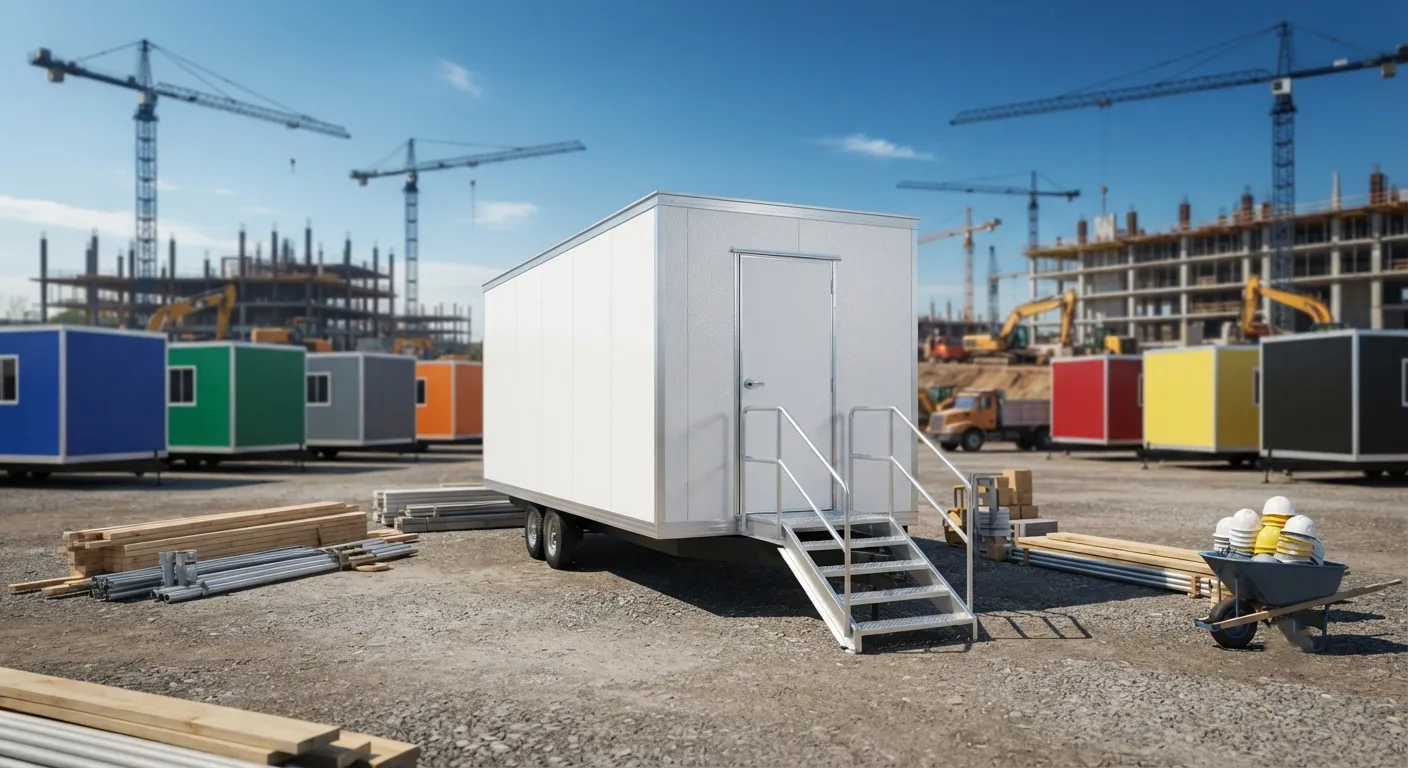
Yes, and the fleet is built for exactly that kind of spread. We hold enough standard units, ADA units and handwashing stations to cover several shelters or staging areas at once, and we can route trucks between them the same day equipment is confirmed. A restroom trailer beats stacked porta potties when a shelter runs for weeks rather than days, so for extended sheltering we often recommend a restroom trailer rental, and a 2 stall restroom trailer fits a mid-size shelter population without crowding.
Finley sits 7.6 miles east of Kennewick and Burbank 17.9 miles east, and both fall inside range for the same disaster stock without a special trip charge structure. West Richland, 16.3 miles northwest, is close enough that a multi-city event, like a regional windstorm, does not force a choice between communities. If septic systems back up under flood load instead of failing sewer connections, our septic pumping service handles emergency pumping, and we treat those calls with the same urgency as toilet deployment. See Kennewick Porta Pros' disaster response coverage for the fuller list of nearby communities we already serve.
How many porta potties does a shelter need?
Follow OSHA 1926.51(c)(1) as a baseline: one toilet per 20 people. A 100-person shelter needs roughly five standard units, more if meals or medical services add foot traffic. Our how many porta potties do I need guide walks through the math for larger counts.
Do disaster relief sites need ADA-accessible units?
Yes. ADA Standards 213.2 requires at least one accessible unit per cluster, and 5 percent minimum as unit counts grow. Shelters serving elderly or disabled residents almost always need more than the bare minimum on day one.
What does emergency porta potty service cost during a disaster?
Standard units typically run $150 to $350 a day depending on volume and duration, inside our normal day-rate band. Multi-day deployments often shift to weekly pricing once the response stretches past a few days.
Can you deliver during an active flood or storm warning?
We deliver as road conditions allow, and coordinate with shelter staff on realistic timing when access roads are compromised. Safety of our drivers and your site comes first, so timing sometimes shifts by a few hours.
Do you provide handwashing stations separately from toilets?
Yes. A hand sanitizer station rental or full handwashing unit can be ordered on its own, though 29 CFR 1910.141(d)(2) means sanitizer-only setups do not meet the soap-and-towel standard for staffed relief sites.
Next step
Get a delivery date
Tell us the address, the dates and the headcount. We size the order and confirm the route.