How many toilets does a farm crew need?
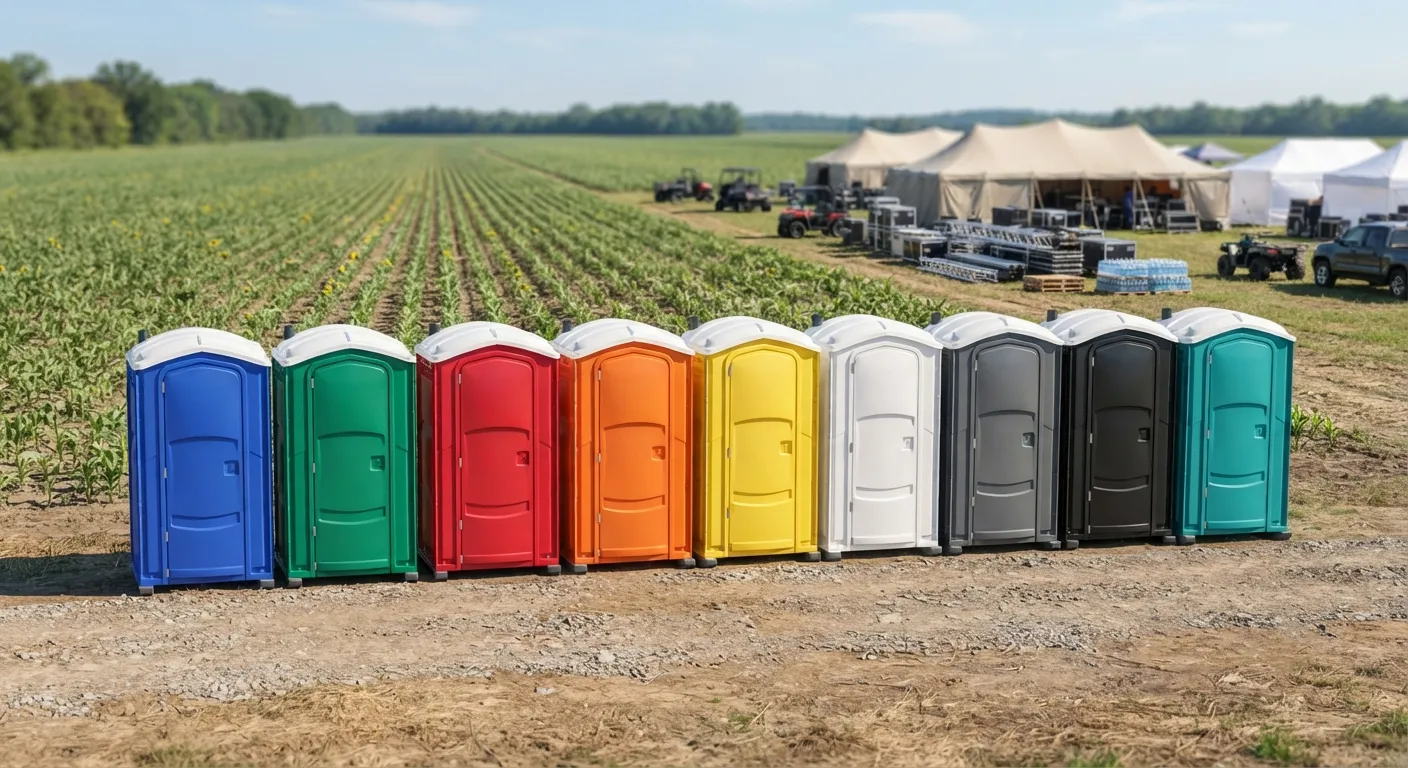
Start with the federal number and adjust for how spread out the crew actually is. OSHA's field sanitation standard, 1928.110, calls for potable water, a toilet, and a handwashing setup for every 20 hand-labor employees, positioned so nobody walks more than a quarter mile to reach one. That is tighter than most people expect once a crew stretches across two or three fields at once. A standard unit runs about 44 by 48 inches on the ground and stands roughly 92 inches tall, small enough to set at a row end or fence line without blocking equipment. Kennewick Porta Pros prices standard porta potty rental by the day, week or month, and a multi-week harvest usually lands cheaper per day on a monthly rate than repeated day bookings. Check the porta potty rental cost page for how those bands compare, or use how many porta potties do i need to run the math against your actual crew size. If a labor contractor is rotating workers between a Kennewick property and a block near Finley, 7.6 miles east, plan on two separate clusters rather than one central bank of units. Add a handwashing station rental at each cluster; hand sanitizer alone doesn't meet 29 CFR 1910.141(d)(2), which requires soap and towels or a hand-drying device at any washing facility. Pair that with a portable sink rental near packing tables where crews handle produce directly.
Do I need washing stations if we're spraying pesticides?
Yes. Where workers apply herbicides, insecticides or other contaminants, OSHA 1926.51(f)(1) requires washing facilities separate from general sanitation. That is a specific rule tied to chemical handling, not a blanket rule for every farm task, so it applies to your spray crew even if the harvest crew a field over doesn't trigger it the same way. Set a dedicated hand sanitizer station rental or a full sink at the mixing and loading area, upwind of the tank fill point if you can manage it. Kennewick's ag operations often run irrigation and spray schedules back to back, so a unit that serves both the spray crew and the general labor crew needs to sit where both groups can reach it inside that quarter-mile limit. Review handwashing requirements before the season starts, since a citation here usually comes from a missing station rather than a wrong one. For larger operations running crews near West Pasco, 8.5 miles north, or spread toward Richland, 11.4 miles northwest, stage washing stations at each field access point instead of one central yard. That keeps drive time down for our service trucks and keeps your crew compliant no matter which block they're working that day.
What about septic needs for farmhouses and packing sheds?
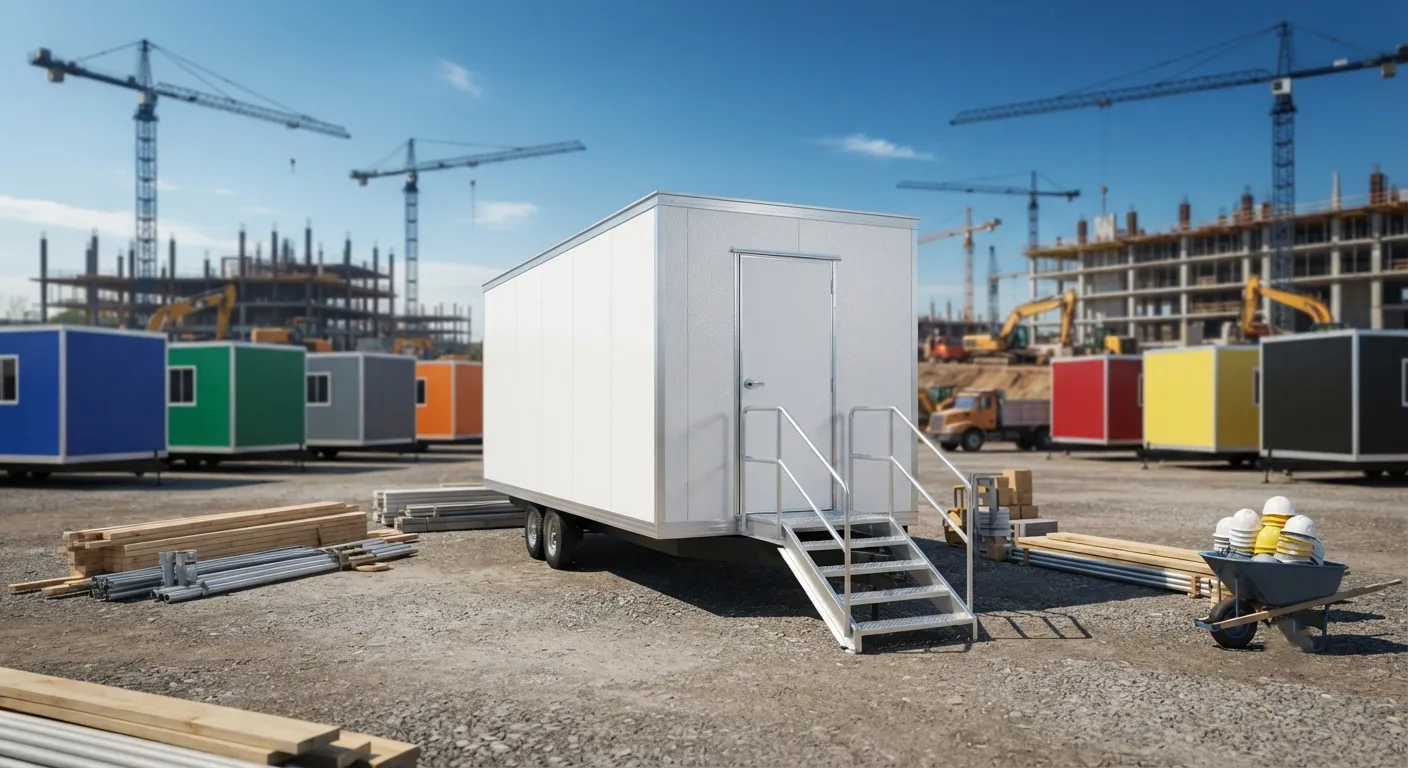
A farmhouse septic tank typically needs pumping every 3 to 5 years, driven by tank size and household size, and that schedule can run faster if a packing shed or bunkhouse ties into the same system. Kennewick Porta Pros handles septic pumping service and septic tank cleaning for ag properties, and if there's a grease interceptor on a packing house sink line, that gets pumped once fats, oils, grease and solids reach 25 percent of the liquid depth, not on a fixed calendar. Ask about grease trap pumping if your operation runs any food prep or wash-pack line. For a property without a functioning septic system yet, or a temporary labor camp set up for a single harvest, a holding tank rental covers the gap without a permanent install. Watch for the signs listed on septic tank warning signs, especially slow drains or standing water near the leach field, since ag properties around Kennewick often run older systems that were sized for a smaller household decades back. If a line backs up mid-harvest, emergency septic service beats waiting on a scheduled slot. Bunkhouses and seasonal housing near Burbank, 17.9 miles east, tend to need pumping more often just from higher occupancy during peak season.
What size unit works best for a remote field location?
A standard unit is the right call for most field placement: compact footprint, easy to move by trailer, and no water hookup needed. If a crew works far from any road access, confirm the drop site can still take a service truck; call contact to check reach before harvest starts.
Can we get toilets delivered mid-season if our crew size changes?
Yes, and it's common. Ag labor scales up fast during peak picking. Request additional portable toilet rental units through request a quote and we'll add or pull units as headcount shifts.
Do farm restrooms need to be ADA accessible?
Only where the site serves the public, like a farm stand or agritourism event. For crew-only fields, ADA Standards 213.2 doesn't typically apply, but check ada accessible porta potty if visitors are on site.
How often do you service units in a field setting?
Weekly service is the baseline for lighter use crews under the ANSI/PSAI Z4.3 standard. Heavier crews may need twice-weekly visits; ask when you book so the schedule matches your headcount.
Is a handwashing station required even for a two-person crew?
Yes. 1928.110 doesn't set a minimum crew size exemption. Even a small crew needs water, a toilet and handwashing within a quarter mile; see handwashing station requirements for setup details.

Next step
Get a delivery date
Tell us the address, the dates and the headcount. We size the order and confirm the route.