
Do porta potties smell if they're serviced on time?
Not much, and what you notice is usually the blue chemical, not the tank underneath it. That chemical breaks down waste and knocks back the ammonia smell that builds up in standing tanks. Kennewick Porta Pros services on the ANSI/PSAI Z4.3 baseline of once weekly for up to 10 users across a 40 hour week, and bumps that up for bigger crews or event weekends. A construction crew of 25 running five days a week produces more waste per unit than a two-day wedding, so the schedule has to match the headcount, not just sit on a calendar. If you're not sure how many units your job needs, this guide breaks down the math. Skip a service and the tank creeps toward capacity, and that's when a unit starts to smell even with the chemical doing its job. Renters comparing porta potty rental per day pricing against a longer monthly porta potty rental should factor service frequency into that math too, since more visits usually means a better outcome, not just a bigger bill.
What causes a porta potty to smell worse than normal?
Heat, overuse, and a skipped pump-out are the big three. Kennewick summers push tank temperatures up, and heat speeds up the bacterial breakdown that produces odor, so a unit sitting in direct sun on a July jobsite in Kennewick will smell faster than the same unit in shade. Overuse is the second driver: a unit rated for 10 users running 25 or 30 people a day fills faster than the chemical can handle, which is part of why OSHA 1926.51(c) sets ratios starting at one toilet for 20 workers or fewer, one toilet and one urinal per 40 workers from there, and one per 50 once you hit 200 workers. The third driver is placement. A unit set on uneven, unstable ground can shift, and a poor placement near a building entrance or event seating puts an odor problem right where people will notice it. This placement guide covers ground conditions and clearance before delivery day, and it's worth reading before you commit to a spot on-site.
How often should a porta potty be serviced to control smell?
Weekly is the floor, not the ceiling. ANSI/PSAI Z4.3's once-a-week standard covers light, steady use, but a busy construction site, a multi-day festival, or a farm crew working under 1928.110 field sanitation rules needs more frequent visits. Kennewick Porta Pros adjusts the service plan based on headcount and duration, not a flat schedule for every job. A short weekend rental for a backyard party rarely needs a mid-event pump-out, but a week-long county fair or a festival with thousands of attendees usually does. For jobsites, pairing units with handwashing station rental also matters for compliance: 29 CFR 1910.141(d)(2) requires washing facilities to include soap and towels or a hand-drying device, since hand sanitizer alone doesn't satisfy it. If you're weighing a standard porta potty rental against a deluxe flushable porta potty, know that the deluxe flush mechanism cuts down on standing-waste odor between services, which matters more on longer rentals.
Do deluxe or trailer units smell less than standard porta potties?
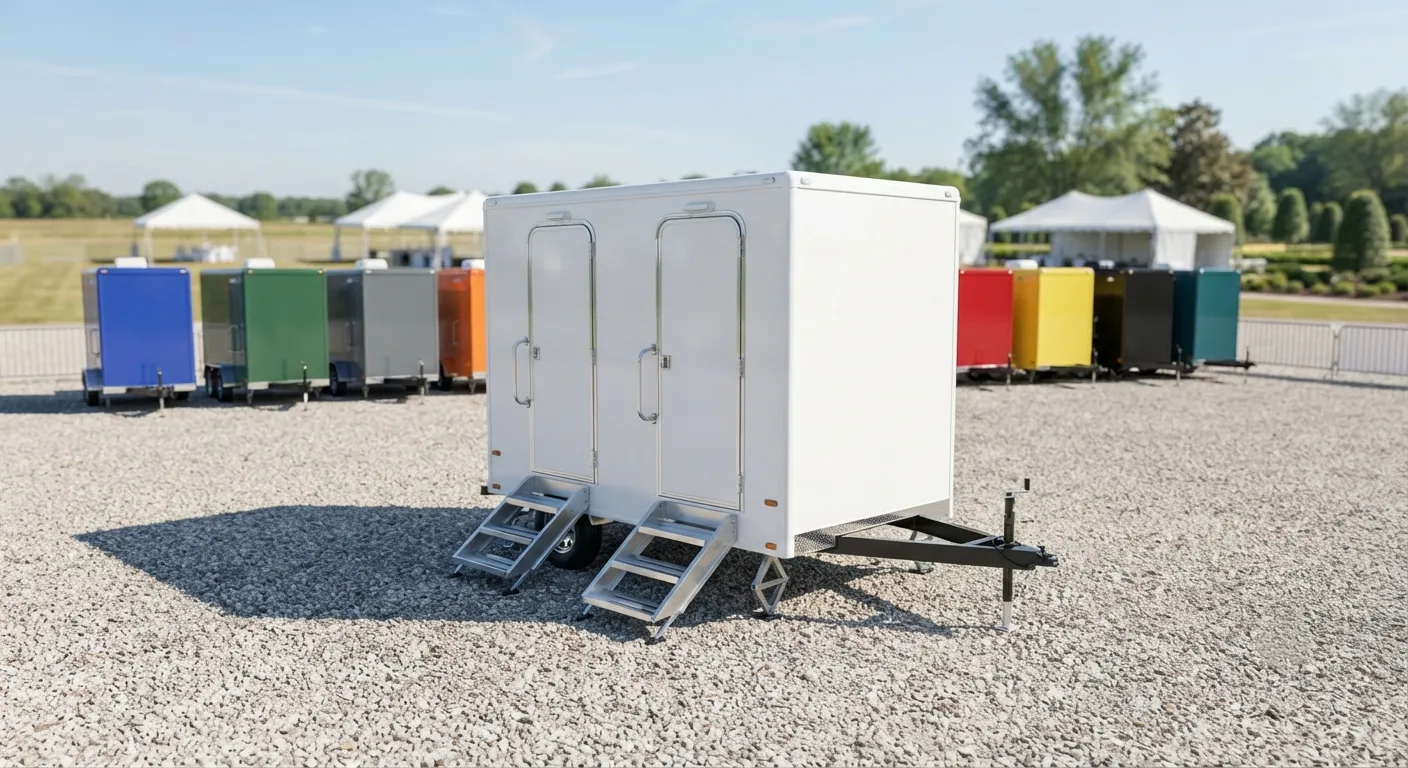
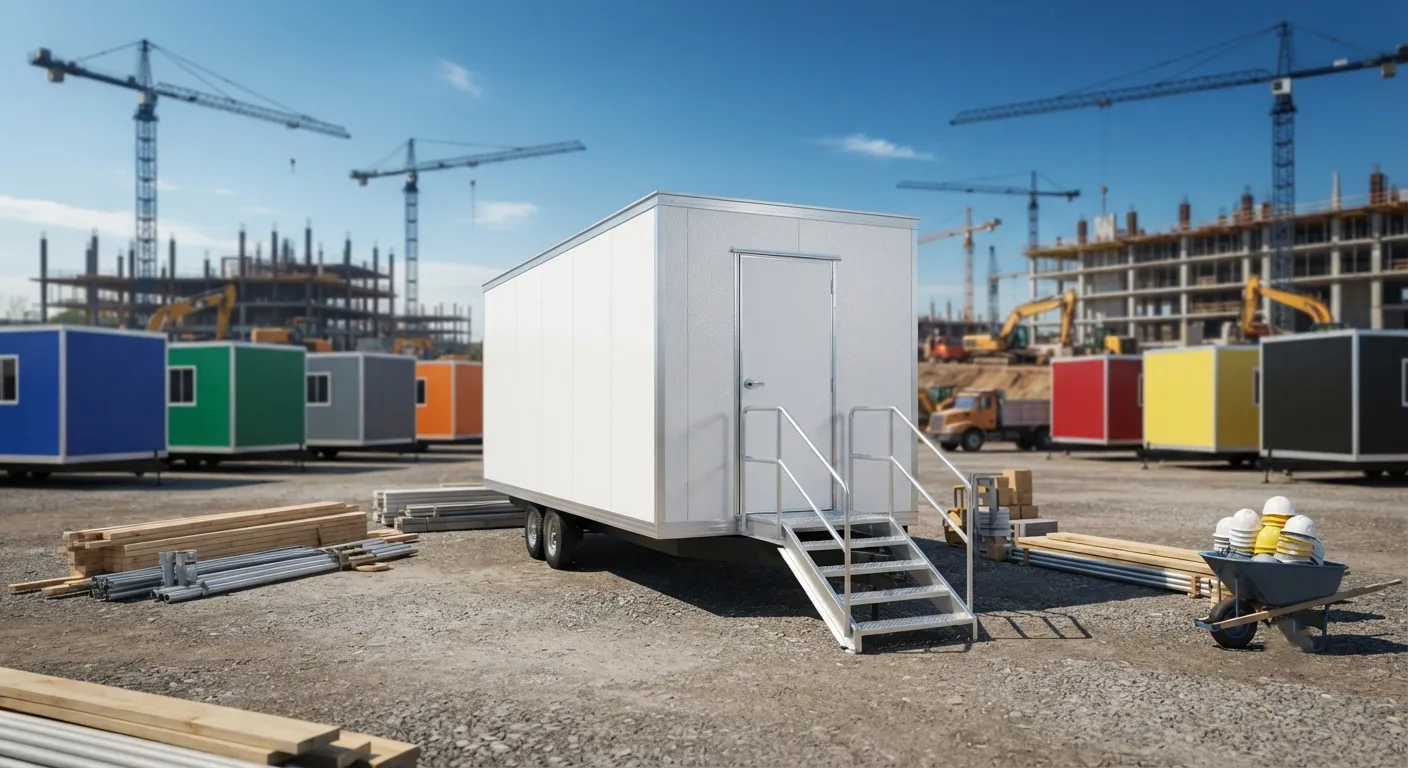
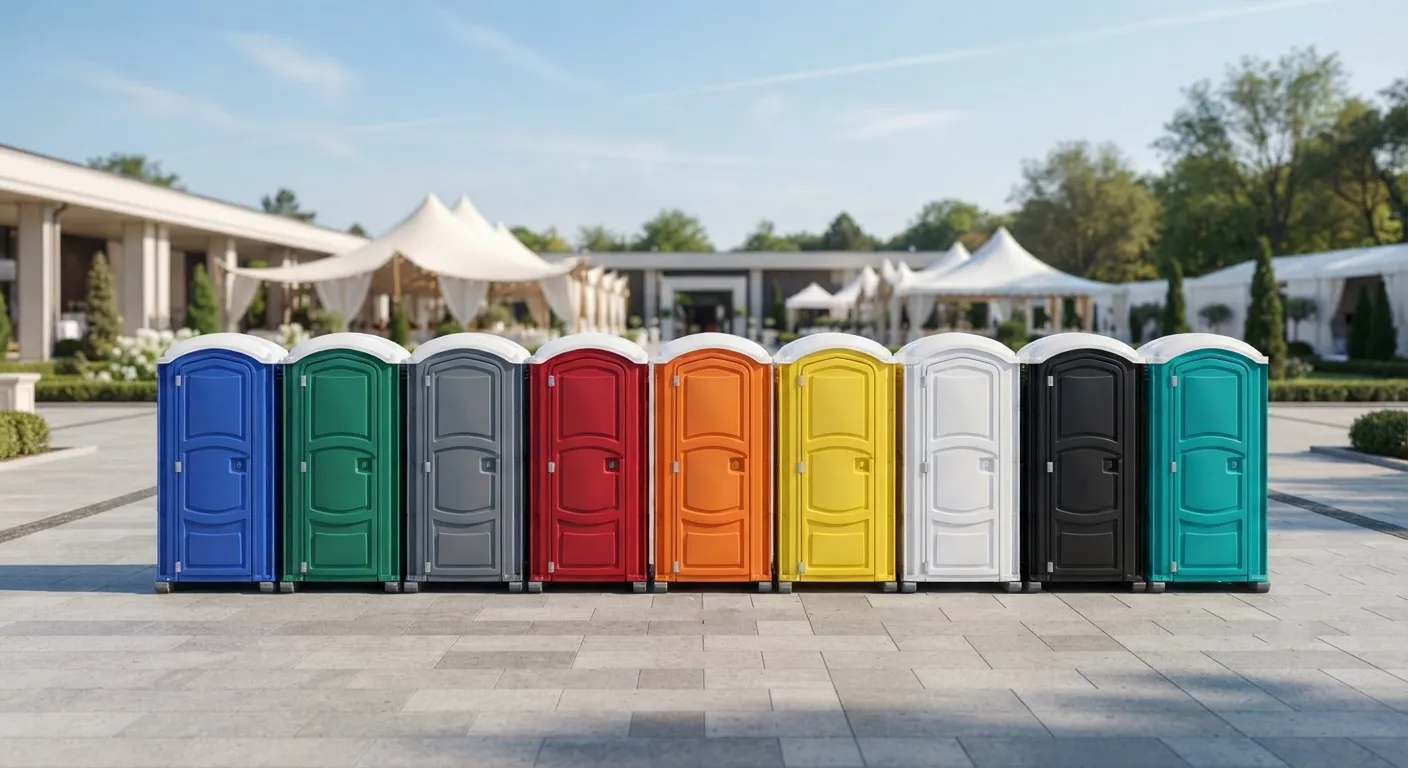
Generally, yes, because they flush and often vent better. A standard unit measures about 44 by 48 inches on the ground and stands roughly 92 inches tall, with a vent stack built in, but it relies on the holding tank and chemical alone between services. A deluxe flushable porta potty or a restroom trailer rental with a flush system moves waste away from the seating area faster, which cuts down the smell a user actually notices while inside. Trailers like the 2 stall, 4 stall, or 8 stall options also run separate fresh and waste tanks, which keeps odor further from the user than a single-tank standard unit. For weddings and upscale events, a luxury restroom trailer adds ventilation and finish that standard units don't have. None of this replaces service, though. Even a trailer needs its tanks pumped, and skipping that visit on a hot Kennewick weekend will erase the advantage fast.
| unit | day | week | month |
|---|---|---|---|
| standard | $100-$350 | $130-$500 | $125-$325 |
| deluxe | $85-$1200 | $150-$290 | - |
| ada | $200-$400 | $240-$400 | - |
Weekend rates run separately from the table above; a standard unit weekend typically falls between $125 and $400. An ADA accessible porta potty needs the same servicing attention, and ADA Standards section 213.2 requires at least 5 percent of clustered single-user units to be accessible, with a minimum of one, regardless of odor considerations. Check porta potty rental cost for a fuller cost breakdown across unit types.
Why does my porta potty smell worse in summer?
Heat speeds up bacterial activity in the tank, which produces odor faster than in cooler months. Placement in shade helps. So does sticking to the service schedule. See porta potty in winter for the opposite seasonal problem.
Can I do anything between services to cut down smell?
Keep the lid closed, avoid tossing trash in the tank, and don't overload a unit rated for fewer users than your crew size. OSHA 1926.51(c) ratios exist partly to prevent this kind of overuse.
Do event rentals need different odor control than construction rentals?
Often yes. Events concentrate use into a few hours, so event restroom rental plans usually favor deluxe or trailer units. Construction spreads use across a full week, which is why construction site services rely on standard units serviced weekly.
Is a holding tank rental smellier than a portable toilet?
Not inherently. A holding tank rental is sized for wastewater volume, and odor comes down to pump-out timing, similar to how a residential septic tank is typically pumped every 3 to 5 years based on size and household use.
Does a grease trap smell the same way a porta potty does?
No, different waste stream. A grease trap pumping service is triggered when fats, oils, grease and solids reach 25 percent of the liquid depth, which is a different odor problem than a toilet's holding tank.
Next step
Get a delivery date
Tell us the address, the dates and the headcount. We size the order and confirm the route.